Why retell old fairy tales?
In short: Retelling is how fairy tales have always lived. Perrault polished them for French readers, the Grimms edited them over seven editions, and Andersen wrote new ones. A gentle modern retelling keeps the shape of a tale, such as the small hero, the problem and the helper, and changes what does not suit a small child at bedtime.
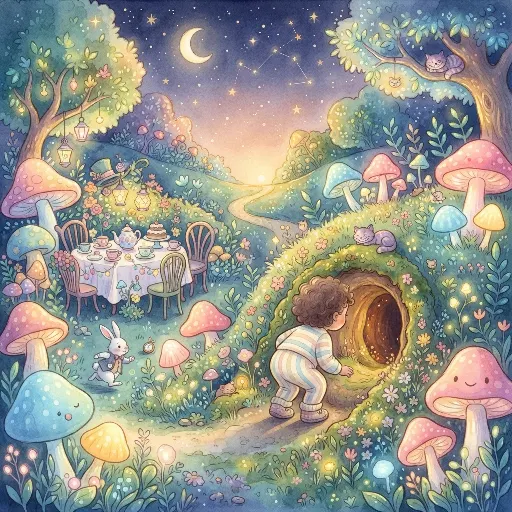
What we keep
- The hero who is small but brave or kind.
- The pattern: a problem, help and a solution.
- The names, objects and places that make the tale recognisable.
- The feeling of wonder.
What we change for young children
- Violence and frightening punishments.
- Cruel family members, replaced with misunderstandings that can be repaired.
- Open or bitter endings, replaced with calm, warm ones.
- Language that is too hard for the age.
A fair question
Some people prefer the old, darker versions, and older children often enjoy them. A retelling is not a replacement. You can read the original when your child is ready, and talk about how it differs.
How Black Horse does it
Our classic retellings follow the same rules as every story: no violence, horror, weapons, romance or brands, problems solved through kindness, and an ending that is calm. They use your child's name in the hero's role when you choose a personalised version.
Timeline
- 1697Perrault shapes the tales for French readers.
- 1812-1857The Grimms revise their collection over seven editions.
- 1835-1843Andersen writes new tales.
- TodayParents and writers retell the classics for each new generation.
Questions
Does a gentle retelling spoil the tale?
It changes it, as every teller has. Many families read both versions.
Can children see the originals later?
Yes, and many enjoy comparing them.
Sources and further reading
- Maria Tatar, The Hard Facts of the Grimms' Fairy Tales.
- Jack Zipes, Fairy Tale as Myth, Myth as Fairy Tale.
- Black Horse child safety page.